
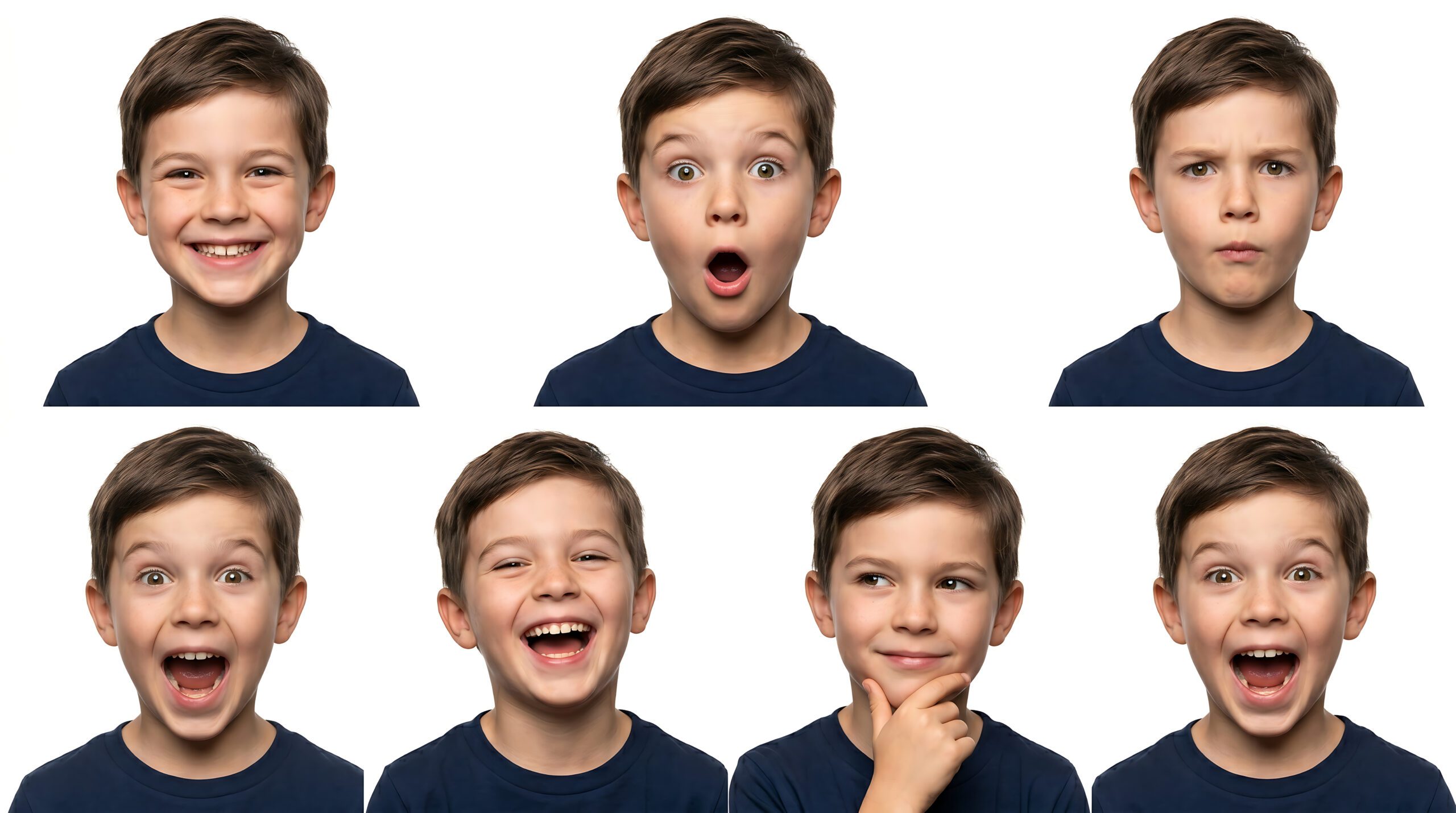
Emotions influence how people understand themselves, interact with others, and respond to the situations they encounter every day. Happiness, sadness, anger, fear, excitement, and many other emotional experiences can affect thoughts and behaviors in ways that are not always obvious. Learning about the Different Types of Emotions can make it easier to recognize what you are experiencing and understand what those feelings may be communicating.
Emotions are not necessarily problems that need to be eliminated. They can provide information about our needs, relationships, experiences, and circumstances.
What Are Emotions?
Emotions are complex responses to experiences and situations. They can involve physical sensations, thoughts, memories, and changes in behavior. A stressful conversation might cause your heart to beat faster, while receiving good news might create a sense of excitement or relief.
There is no single way that everyone experiences an emotion. Two people can encounter the same situation and have very different emotional responses.
Understanding the Different Types of Emotions can help people develop greater emotional awareness. Instead of simply thinking, “I feel bad,” a person may begin identifying whether they feel disappointed, anxious, lonely, frustrated, embarrassed, or hurt.
Primary Emotions
Some emotions are often described as primary emotions because they are relatively immediate responses to experiences. Common examples include happiness, sadness, fear, anger, surprise, and disgust.
These emotions can serve different purposes. Fear can alert someone to potential danger. Anger can signal that a boundary has been crossed or something important feels threatened. Sadness may accompany loss or disappointment, while happiness can reflect experiences of connection, achievement, or pleasure.
Learning about these Different Types of Emotions does not mean that every emotional reaction should automatically determine what someone does next. Emotions can provide useful information while still requiring thoughtful responses.
Secondary and More Complex Emotions
Emotional experiences are not always simple. People can experience multiple emotions at the same time, and one emotion may develop in response to another.
For example, someone may initially feel hurt after receiving criticism and then become angry. Another person might feel anxious about an upcoming event and then become frustrated with themselves for feeling nervous.
Emotions such as guilt, shame, jealousy, embarrassment, resentment, relief, and gratitude can involve several layers of experience. Recognizing these layers can help people understand why certain situations affect them so strongly.
When exploring the Different Types of Emotions, it can be helpful to look beyond the first feeling that appears and consider what may be underneath it.
Emotions and Relationships
Emotions play a particularly important role in close relationships. People naturally seek connection, acceptance, and reassurance from the people who matter to them.
Emotionally Focused Therapy (EFT) emphasizes the importance of understanding emotions within relationships. A person who appears angry with their partner may actually be feeling hurt, rejected, or afraid of losing connection. Someone who withdraws during an argument may be experiencing fear, shame, or a sense of inadequacy.
When couples can identify these underlying emotions, they may be able to communicate their needs more clearly.
Understanding the Different Types of Emotions can therefore help people recognize that visible reactions do not always tell the entire story.
Why We Sometimes Hide Our Emotions
People learn different ways of responding to emotions. Some may have grown up in environments where emotional expression was encouraged, while others may have learned that showing sadness, fear, or vulnerability was unsafe or unacceptable.
As a result, people may suppress emotions, change the subject, become defensive, or try to appear unaffected.
Suppressing emotions does not necessarily make them disappear. Sometimes the emotion may instead emerge through irritability, withdrawal, physical tension, or difficulty connecting with others.
Developing emotional awareness can create an opportunity to recognize these patterns and respond differently.
Learning to Identify What You Feel
One practical way to become more emotionally aware is to expand your emotional vocabulary. Instead of describing an experience simply as “good” or “bad,” try identifying a more specific feeling.
Ask yourself questions such as:
- What am I feeling right now?
- What happened immediately before I felt this way?
- What does this emotion seem to be telling me?
- Is there another emotion underneath the first one?
- What do I need right now?
Learning to identify the Different Types of Emotions can make it easier to communicate with other people because specific emotions are often easier to express than general distress.
Responding Instead of Reacting
Recognizing an emotion does not mean acting on it immediately. Someone can feel angry without yelling. They can feel anxious without avoiding every uncomfortable situation. They can feel hurt without immediately withdrawing from a relationship.
Emotional awareness creates a small amount of space between experiencing a feeling and deciding what to do with it.
That space can be especially valuable in relationships. When emotions become intense, taking a moment to identify what is happening internally can make it easier to communicate rather than react automatically.
Emotions Can Guide Greater Understanding
There is no need to judge yourself for experiencing difficult emotions. Anger, sadness, fear, jealousy, and other uncomfortable feelings are part of the human experience.
The goal is not to eliminate certain emotions and keep only the pleasant ones. Instead, emotional health involves becoming more comfortable recognizing, understanding, expressing, and responding to feelings appropriately.
Learning about the Different Types of Emotions can be a useful first step toward that process. From an EFT perspective, emotions can provide important information about attachment needs, relationships, and experiences that matter deeply to us.
When people become more comfortable listening to their emotions, they may gain a clearer understanding of themselves and become better able to communicate with the people they care about. Emotions are not simply obstacles to overcome—they can be meaningful signals that help us understand what matters and where connection may be needed.